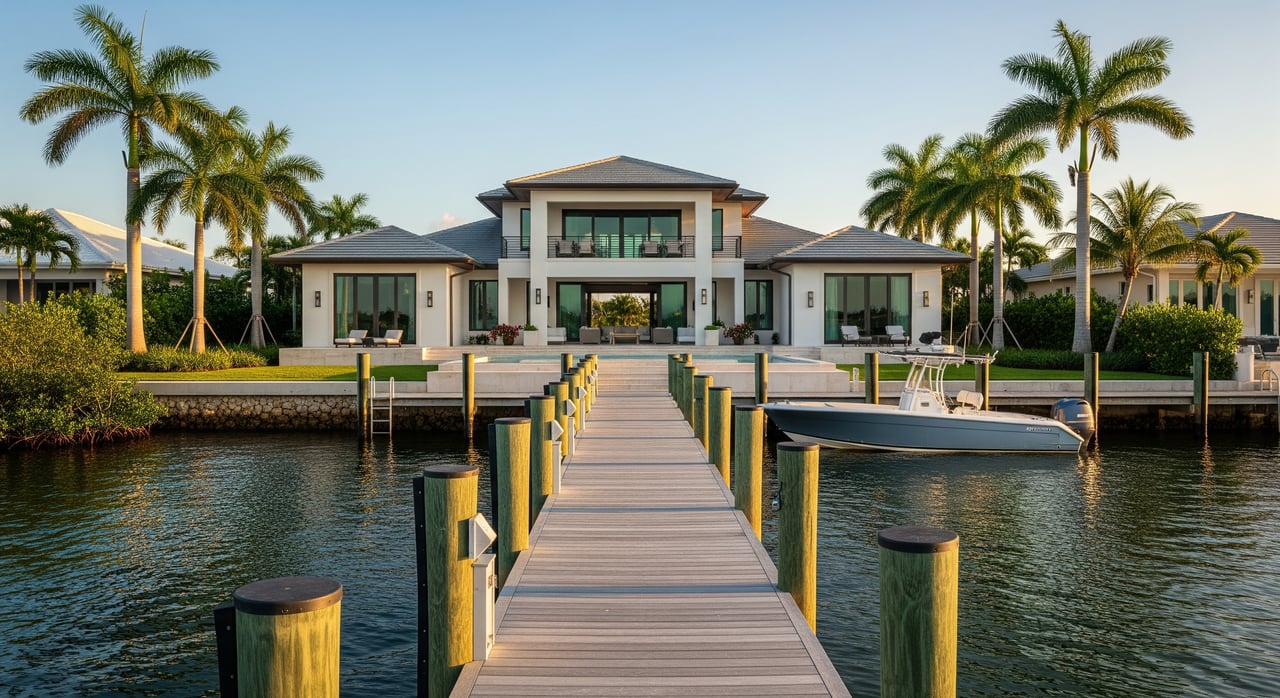
Key Drivers of Goodland Waterfront Home Value
January 15, 2026
January 15, 2026
If you are buying or selling a waterfront home in Goodland, small details can make a big difference. A few minutes more to open water, a shallower canal, or an aging seawall can change both price and ongoing costs. You want clear criteria so you can price smart, compare homes fairly, and avoid surprises after closing. This guide breaks down the Goodland factors that truly move value and shows you what to verify before you decide. Let’s dive in.
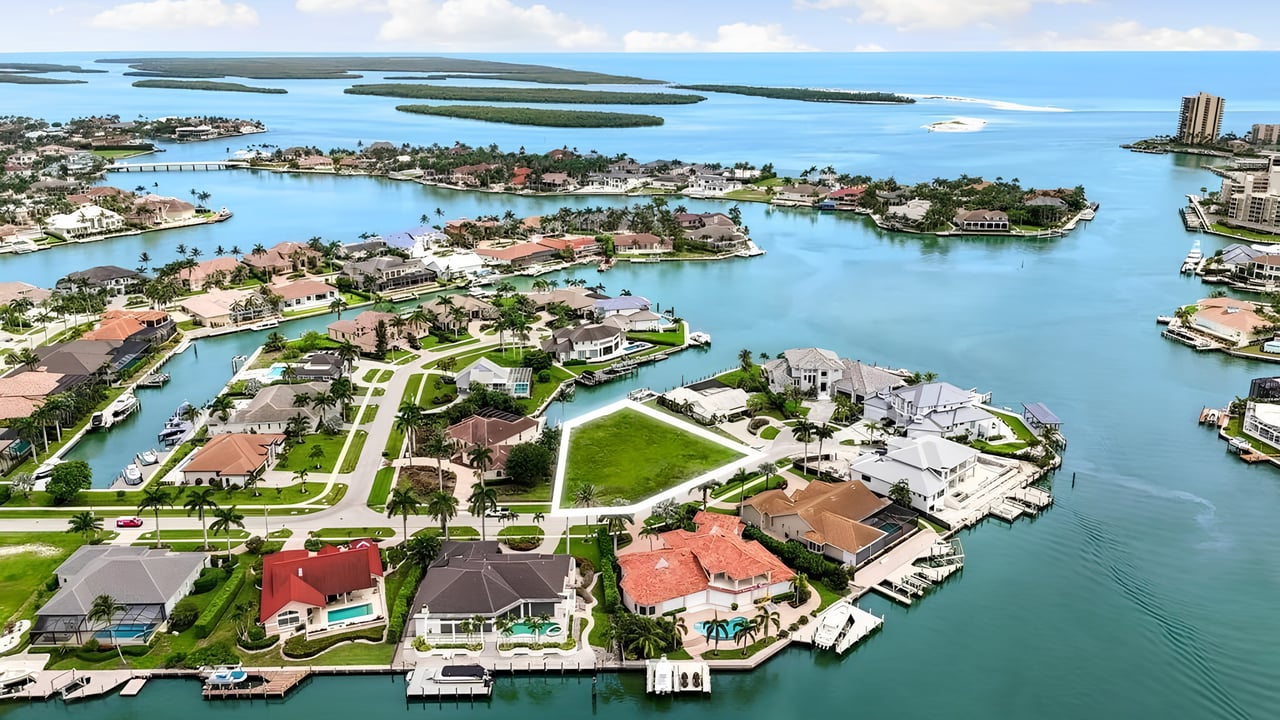
Goodland is a small, specialized waterfront community with limited deep-water, Gulf-access inventory. That scarcity can boost values for properties that offer quick, unobstructed boating. Buyer demand is a mix of full-time residents, seasonal owners, and second-home boaters, so timing and presentation matter.
You are also close to practical boating amenities and recreational destinations. Properties that reduce transit time to marinas, fuel, tackle, and the Ten Thousand Islands often see stronger interest from anglers and island explorers. That said, value depends on the specific waterway, not just the address.
Direct, unobstructed access to the Gulf or broader bays typically commands a premium. A key metric is minutes by boat to open water, or to the nearest obstruction such as a fixed low bridge. Buyers should also confirm whether the waterway is navigable at mean low water, since shallow spots can limit boating at lower tides.
Bridges and low-clearance structures matter. A fixed low bridge can restrict vessel height and force longer routes. If a bascule bridge is nearby, check opening schedules when planning your typical trips.
Wider canals allow easier maneuvering and accommodate larger boats, which many buyers value. Depth at mean low water sets the practical limit for your boat’s draft. If the canal shoals or requires dredging, the utility of a dock may be reduced at lower tides.
Ask for recent soundings or reliable depth references, especially if you plan to keep a boat with a deeper draft. Confirm who maintains the channel and whether any dredging is private or public.
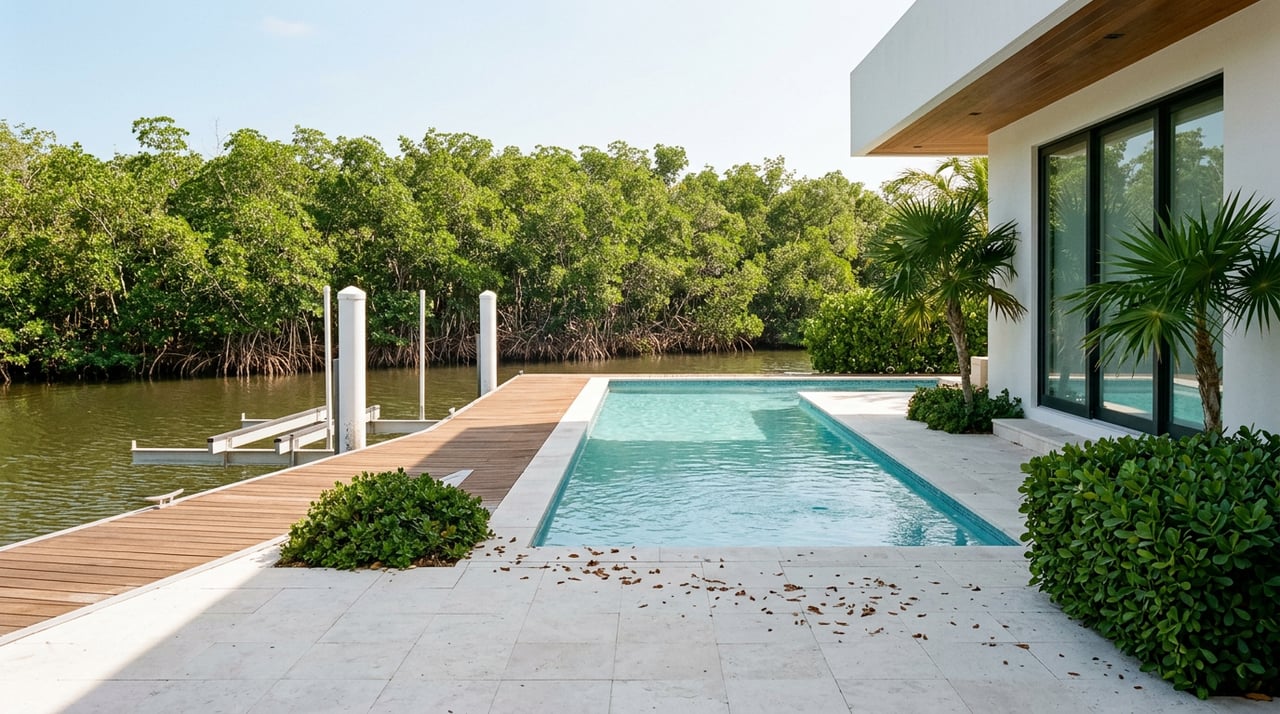
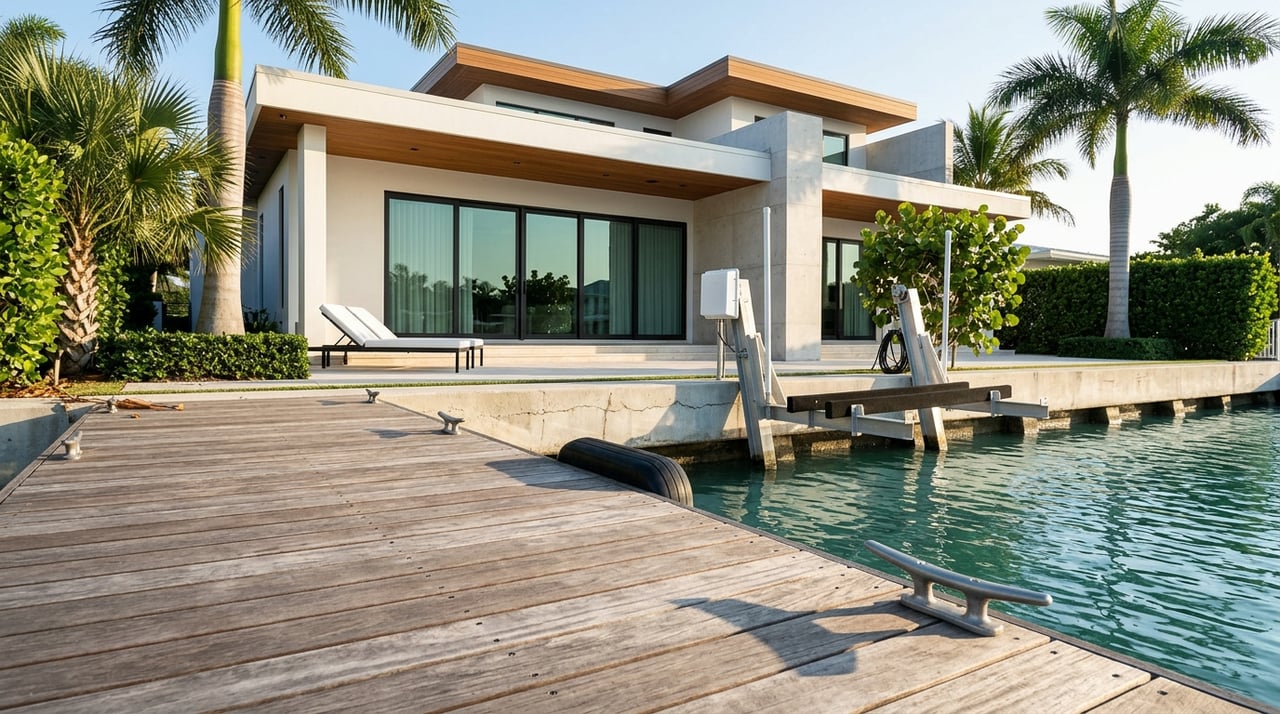
A permitted dock and a properly sized boat lift add immediate functionality and value. Important details include dock length, piling condition, and lift weight rating. Electrical hookups should be serviceable and up to code for safe operation.
Seawall integrity is critical to both value and insurability. Look for the seawall material, the year installed, maintenance history, and any signs of movement or settlement. Unpermitted or failing structures can add cost and delay, and may need to be brought into compliance.
Orientation to sunsets and prevailing breezes, along with sightlines to open water, shape day-to-day enjoyment and perceived value. Unobstructed views typically command more interest than views blocked by nearby structures or heavy boat traffic. Lot shape also affects how you position the home and dock to maximize the view.
Nearby marinas, public ramps, and commercial traffic can influence noise, wake, and privacy. For active boaters, being close to fuel and service is a plus. If you prefer a quieter setting, account for traffic patterns and peak season activity before you decide.
Docks, lifts, seawalls, and dredging typically require approvals from Collier County, the Florida Department of Environmental Protection, and often the U.S. Army Corps of Engineers. Some structures may extend over state-owned submerged lands that require authorization or a lease. Easements or recorded canal agreements can also shape what you are allowed to build or modify.
Before pricing or making an offer, obtain the full permit history and any recorded easements. This helps you avoid costly compliance issues after closing.
FEMA flood maps and base flood elevations influence building requirements and insurance. Many coastal parcels sit in higher-risk zones, which can affect lender requirements and premiums. An elevation certificate shows the building’s relationship to base flood elevation and is essential for accurate flood insurance quotes.
When comparing properties, note both the flood zone and the finished floor elevation on the elevation certificate. These details can change ownership costs and should be part of your pricing analysis.
Coastal insurance can be volatile. Flood coverage, windstorm policies, and deductibles vary by property, elevation, and risk profile. Repeated minor flooding, storm surge exposure, and underwriting trends can push premiums higher over time.
Gather quotes early based on verified elevation data and the home’s maintenance history. Build realistic ownership costs into your offer or list price strategy.
Mangroves and seagrass are protected, and trimming, dredging, or dock expansion may require permits. These resources also provide natural storm buffers and help stabilize shorelines. If you plan to modify a dock or expand waterfront improvements, verify the habitat constraints first.
Southwest Florida faces sea-level rise and periodic king tides, which can influence long-term seawall needs and insurance. Shoaling in some canals can reduce depth at mean low water. Maintenance responsibilities vary by canal, including private or HOA-managed areas that may assess owners for dredging and repairs.
Confirm who maintains the waterway and whether any assessments are in place or expected. This ensures you account for future costs in your valuation.
Use an “apples to apples” approach focused on measurable features:
Then weight features by your lifestyle. A sport fisherman may prioritize open-water access time, depth, and lift capacity. A retiree might focus on view corridor, privacy, and low maintenance.
Anchor your price to comps that match your marine profile. Adjust for direct versus obstructed Gulf access, canal width and depth, dock and lift capacity, seawall age and condition, and flood zone and elevation.
Document everything upfront. Providing permits, inspection reports, and depth details builds buyer confidence and can shorten negotiations. If your canal requires private maintenance or assessments, disclose early and price accordingly.
Start with your boat. Define target length, beam, and draft, then verify canal width and depth at mean low water at the dock. Measure minutes to open water and check for fixed bridge clearances on your typical route.
Budget for insurance and potential upgrades. Get quotes based on the elevation certificate and structure conditions. If you plan to add or modify a lift or dock, map out permits and timelines before closing so your first season on the water is smooth.
If you want help verifying depth, permits, and true apples to apples comps, you are not alone. Goodland’s value is in the details, and a clear plan protects your time and money. For local, high-touch guidance tailored to waterfront living, connect with the Becky Irwin Group to chart your next move.
August 27, 2026
August 20, 2026
August 13, 2026
August 6, 2026
August 6, 2026
Real Estate
July 24, 2026
July 23, 2026
July 16, 2026
Marco Island
July 10, 2026
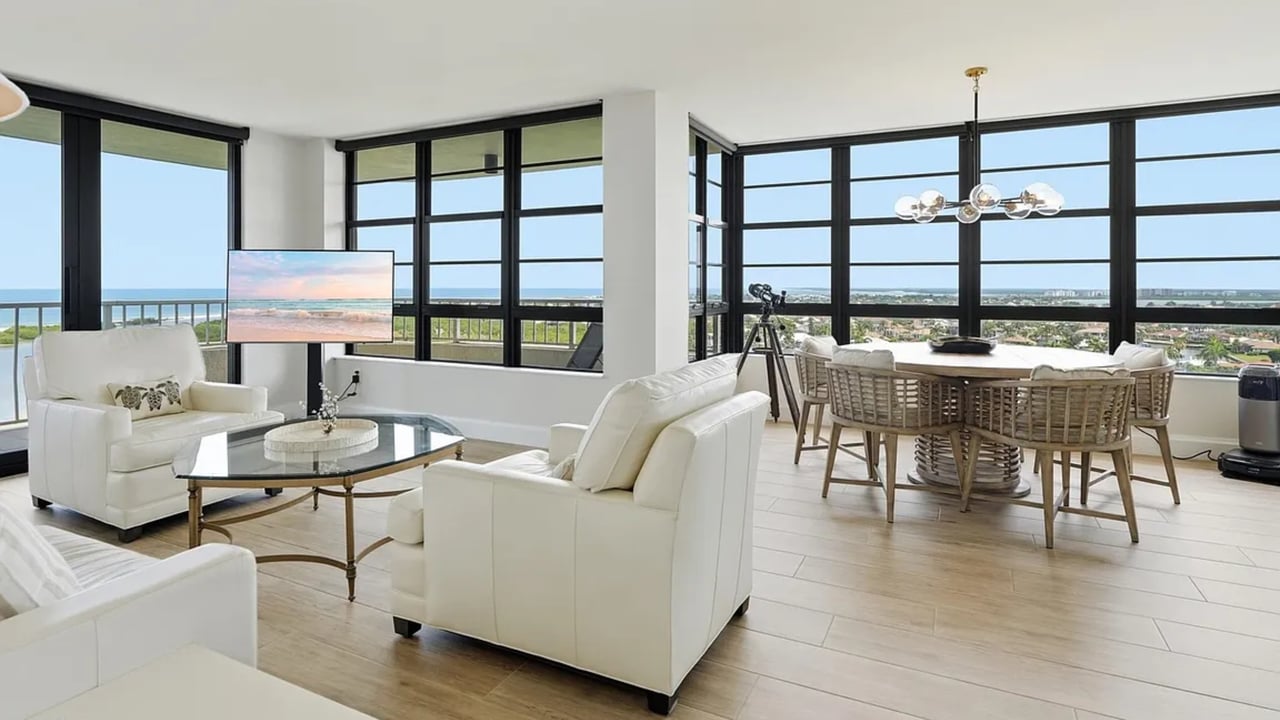
Rare 15th-floor corner unit in South Seas Tower 4, Marco Island. 2BR/2BA with Gulf views, resort amenities & weekly rental flexibility. $899,000. Tour today.
Explore unparalleled real estate expertise with a dedicated team committed to helping clients find their dream home. They are committed to client satisfaction and ensure a seamless and enjoyable real estate experience. Let them guide you through your home buying journey.

830 BALD EAGLE DR MARCO ISLAND FL 34145