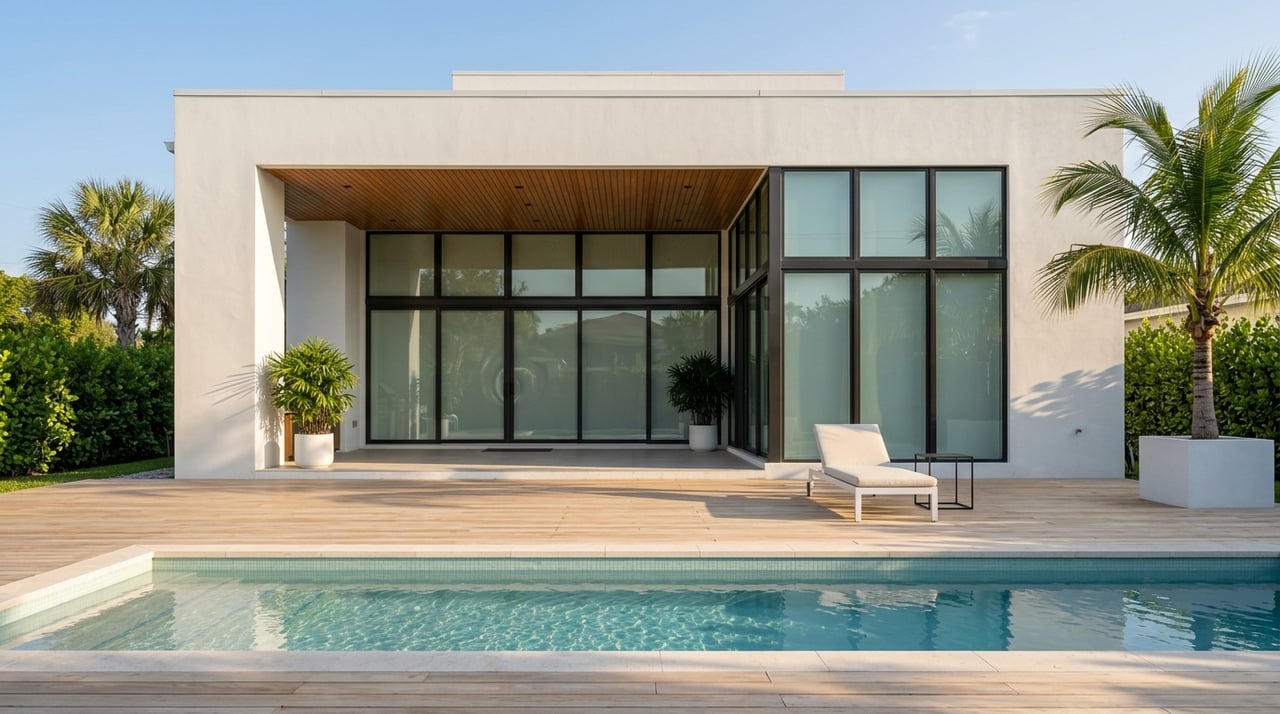
Marco Island Seasonal Living: What Owners Should Expect
June 4, 2026
June 4, 2026
If you picture Marco Island as the same place year-round, you may be surprised by how much it shifts with the seasons. Winter brings a much fuller island, while summer and fall feel quieter, warmer, and wetter. If you are thinking about buying a second home here, understanding that rhythm can help you choose the right property and avoid surprises after closing. Let’s dive in.
Marco Island has 16,521 permanent residents, but the city says the population rises to about 40,000 in peak winter season. That difference affects how the island feels day to day, from beach access to traffic patterns to how far ahead you may want to plan simple outings.
Weather also plays a big role in seasonal living. The city says most rainfall falls between June and October, and nearby NOAA climate normals show July and August average highs around 90°F with monthly rainfall near 7.8 to 8.9 inches. By contrast, December averages about 77°F for highs and 59°F for lows, with much drier conditions.
That creates a clear split in the year. Winter tends to be milder and busier, while late spring, summer, and fall are slower overall, which lines up with Collier County’s efforts to boost visitation during those periods.
For many seasonal owners, winter is the reason Marco Island is on the list in the first place. The weather is milder, the island is active, and daily life centers around the beach, the water, and being outside.
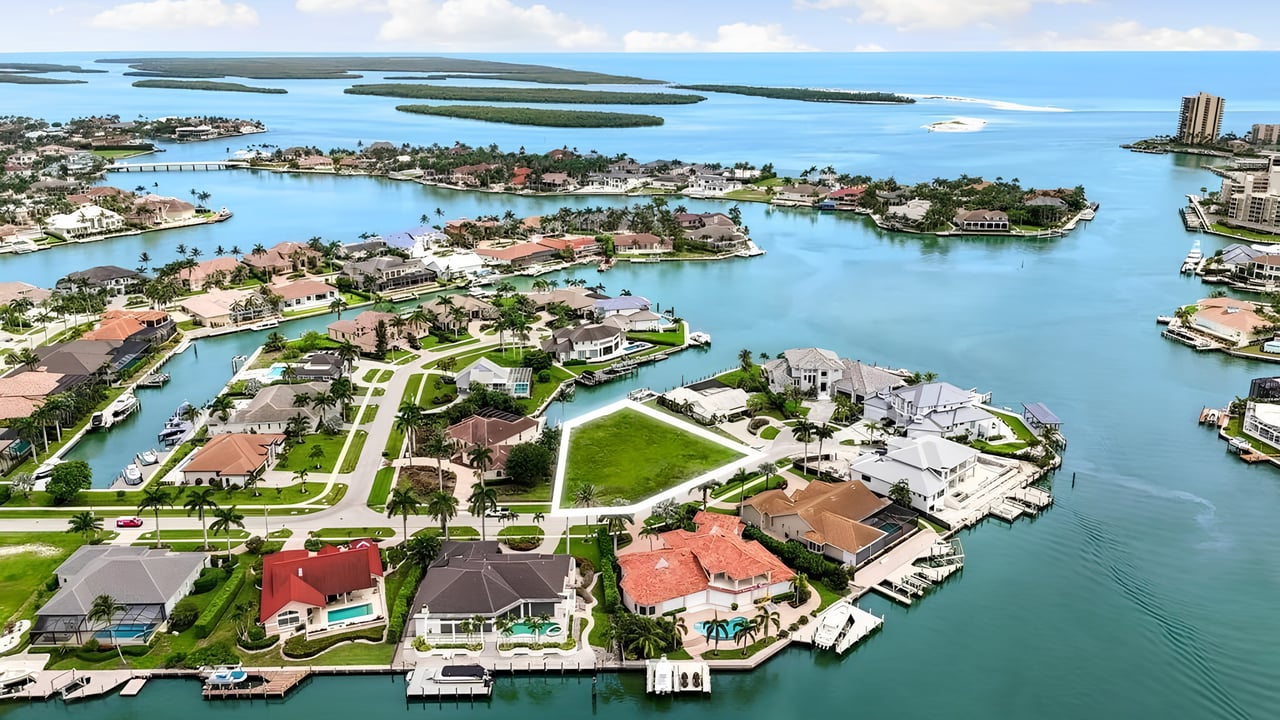
Marco Island covers 24 square miles, with six miles of beach and more than 100 miles of waterways. The city’s Waterways Committee describes it as a canal community, and that matters because water access often shapes both lifestyle and property value more than a typical mainland commute does.
If you spend your season here, your routine may revolve around boating, canal access, beach time, and waterfront dining rather than driving long distances. That is one reason buyers often focus less on square footage alone and more on how easy the property makes daily island life.
A common misconception is that beach living always feels effortless. On Marco Island, beach access is very real, but it is also regulated and limited by parking capacity.
According to the city, South Marco Beach has 70 parking spaces and a $10 parking fee unless you use a beach parking permit. Street and swale parking in the South Beach area is prohibited. Tigertail Beach has 226 regular spaces and 6 handicapped spaces.
In a season when the island’s population swells, those numbers matter. If you are buying a seasonal home, it is smart to think about how close you want to be to beach access and whether you want the option to walk, bike, or avoid relying on public parking for every visit.
You do not need a car for every trip on Marco Island, but most seasonal owners still think carefully about transportation. Collier Area Transit provides fixed-route service on the island, and the city supports bike lanes and shared paths to promote safer bicycle access and help reduce congestion.
At the same time, cars remain part of everyday logistics for many owners and guests. If you expect frequent visitors, or if you are comparing a condo with limited parking against a single-family home with more room, guest parking and ease of access can make a bigger difference than buyers first expect.
For some owners, air access is part of the equation too. The Collier County Airport Authority says Marco Island Executive Airport serves private flyers coming into Southwest Florida, which can be a practical factor for second-home owners who travel often.
Many buyers want a home they can enjoy for part of the year and leave behind with minimal stress. That is possible on Marco Island, but it is not completely hands-off.
The city says property owners are responsible for maintaining the sidewalk and swale in front of both developed and undeveloped properties. Code Enforcement can issue citations for violations, and the city notes common issues like overnight parking in the right-of-way and landscaping that encroaches over sidewalks.
That means your ownership plan should include more than the inside of the home. Exterior upkeep, parking rules, and routine property checks matter, especially if you are away for part of the year.
Seasonal owners also need to stay current on simple but important household routines. The city’s code guidance says trash and recyclables are collected on Monday and Thursday, and containers cannot be placed on the curb before 6:00 p.m. the evening before pickup.
Water use matters too. The Water and Sewer Department emphasizes irrigation control, including a functioning rain sensor that temporarily disconnects irrigation during or after rainfall. The city has also explained that Marco Island has a limited water source, an extended dry season, and a bridge-connected island layout with 14 bridges, which helps explain why local water management gets attention.
These details may sound small, but they shape how easy your second-home ownership experience feels. Buyers who plan for them early usually have a smoother time later.
If you own seasonally on Marco Island, the quieter part of the year overlaps with hurricane season. NOAA says Atlantic hurricane season runs from June 1 through November 30, with the most active stretch typically between August and October.
The city’s floodplain information adds another important point: essentially every property on Marco Island is in, on, or near a Special Flood Hazard Area. For buyers, that makes flood awareness and storm readiness part of the ownership conversation, not a side issue.
The city also encourages residents to sign up for CodeRED alerts and to leave early when evacuation becomes necessary. If you are comparing properties, it helps to think about not just views and finishes, but also how the home fits your comfort level for storm preparation and off-season oversight.
Marco Island is not just a seasonal backdrop. It has an active civic culture, and that shows up in the way residents and seasonal owners take part in caring for the island.
The city has volunteer-led advisory committees and a planning board, and the Beautification Advisory Committee promotes community pride and guidance on property appearance. The Beach and Coastal Resources Advisory Committee also holds monthly beach cleanups that welcome volunteers, community groups, and local businesses.
For many second-home buyers, this is part of the appeal. You are not only buying access to beaches and waterways. You are stepping into a community where stewardship is visible and ongoing.
Marco Island’s beaches are both an amenity and protected habitat. The city says shorebird nesting season runs from March 1 to September 1, and sea turtle nesting season runs from May 1 to October 31.
During turtle season, the city asks residents and visitors to keep beach lighting off or shaded by 9:00 p.m. These protections are part of everyday island life, and they help define what it means to own responsibly in a coastal community.
For seasonal buyers, that is worth understanding upfront. The island’s best features come with shared responsibility, and many owners see that as part of what keeps Marco Island special.
When you narrow your property search, the right fit on Marco Island usually comes down to rhythm more than raw size. A home may be beautiful, but the better question is whether it matches how you plan to live here.
For many seasonal buyers, the most important factors are:
That is why comparing condos, townhomes, and waterfront homes is about more than price point. Some buyers want a lower-maintenance setup near the beach, while others prioritize dock access, canal frontage, or more private outdoor space.
Seasonal living on Marco Island works best when you go in with a clear picture of daily life. The island offers a distinctive mix of winter energy, water-centered living, and strong community stewardship, but it also asks owners to think carefully about maintenance, parking, weather, and storm readiness.
If you are considering a condo, a waterfront home, or a part-time retreat, the right choice is the one that fits your schedule, comfort level, and lifestyle goals across the full calendar, not just during one perfect vacation week. That kind of decision gets easier when you work with a team that understands both the market and the way the island actually functions.
If you are exploring seasonal ownership, the Becky Irwin Group can help you compare Marco Island properties with a clear, local perspective.
August 20, 2026
August 13, 2026
August 6, 2026
August 6, 2026
Real Estate
July 24, 2026
July 23, 2026
July 16, 2026
Marco Island
July 10, 2026
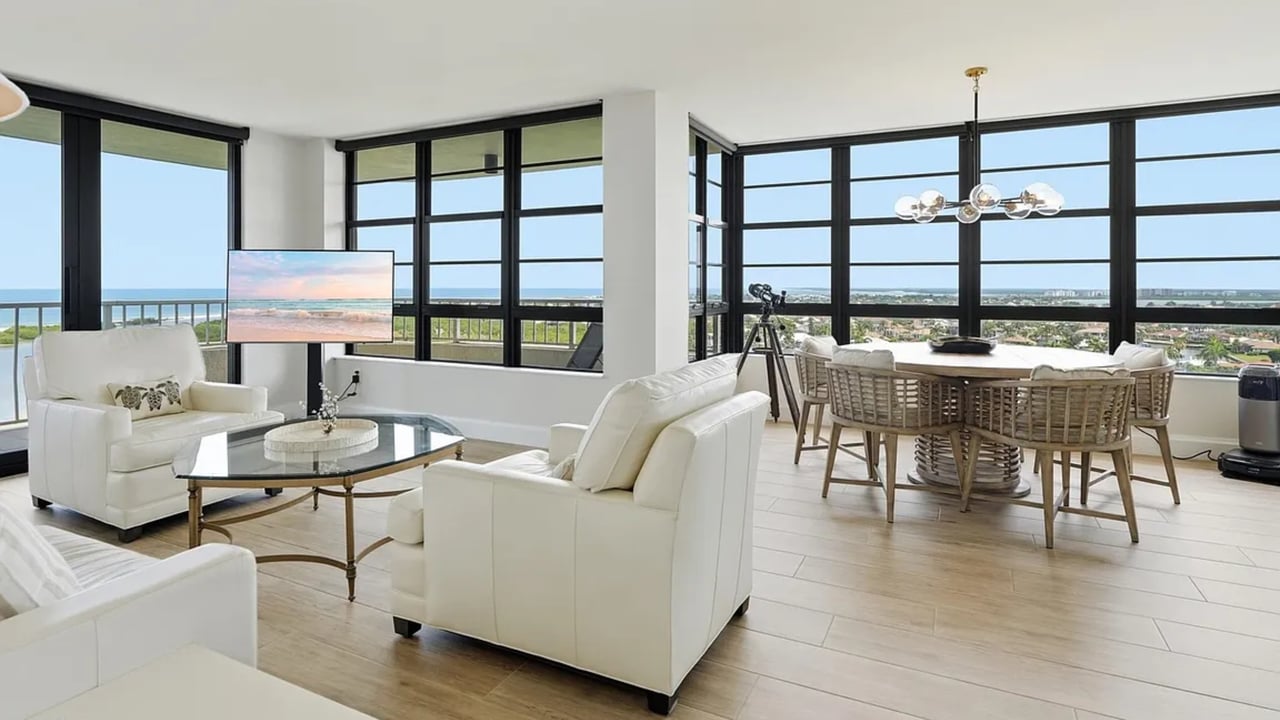
Rare 15th-floor corner unit in South Seas Tower 4, Marco Island. 2BR/2BA with Gulf views, resort amenities & weekly rental flexibility. $899,000. Tour today.
July 9, 2026
Explore unparalleled real estate expertise with a dedicated team committed to helping clients find their dream home. They are committed to client satisfaction and ensure a seamless and enjoyable real estate experience. Let them guide you through your home buying journey.
830 BALD EAGLE DR MARCO ISLAND FL 34145