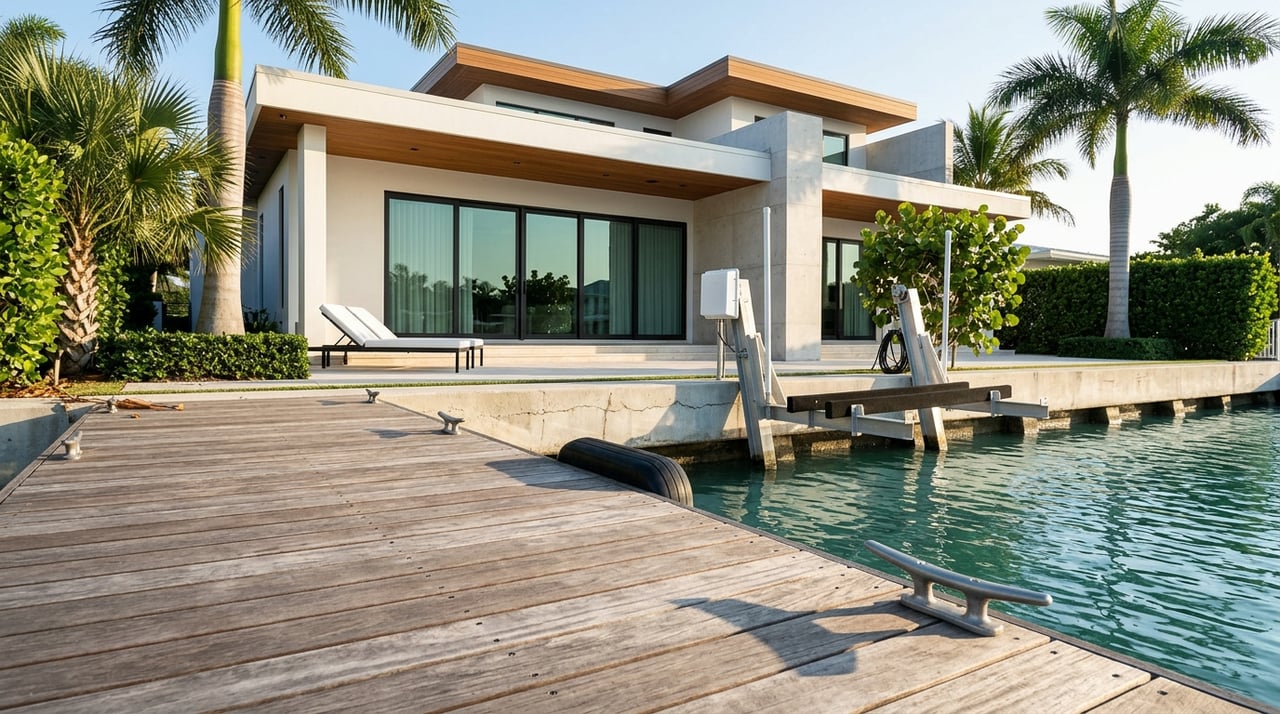
Isles Of Capri Waterfront Investment Guide For Buyers
July 16, 2026
July 16, 2026
Thinking about buying waterfront property in Isles of Capri as an investment? It can be a smart move, but only if you look beyond the view. You need to understand boat access, rental rules, taxes, seasonality, and the real difference between a second home and an income property. This guide will help you focus on the details that matter most before you buy. Let’s dive in.
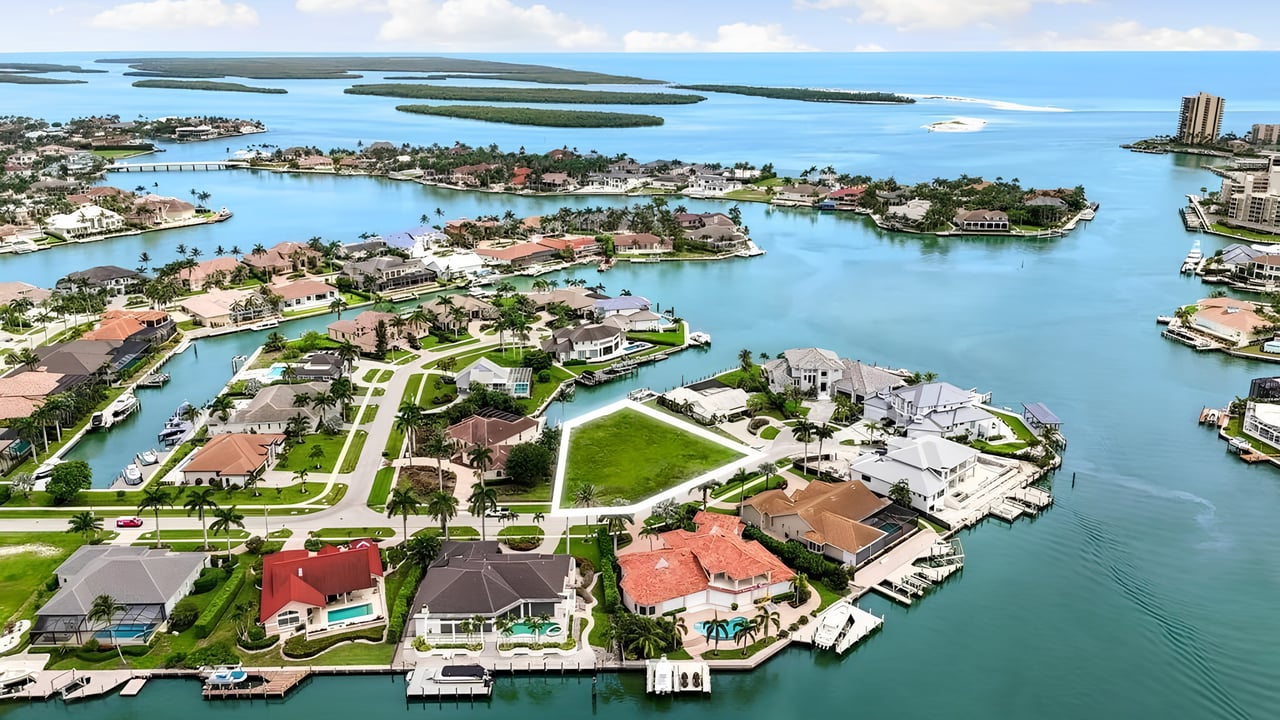
Isles of Capri is a small island community in Collier County made up of four mangrove islands. Local community information describes it as a quiet fishing village near Marco Island, with about 600 full-time residents and roughly 1,300 seasonal residents.
For many buyers, the appeal is simple. You get a lower-key waterfront setting with boating access, rather than a denser resort environment. If you want a property that supports both coastal lifestyle and investment potential, that combination can be especially attractive.
The area’s property mix also gives you options. Public listing examples show both condo-style waterfront residences and detached bayfront homes, which means you can compare low-maintenance ownership against the control and privacy of a single-family waterfront property.
A condo can make sense if you want a more hands-off ownership experience. In many cases, that can mean less responsibility for exterior upkeep and fewer day-to-day maintenance tasks compared with a detached home.
That said, condo purchases often require extra review. If you plan to finance the property, the project itself may need to meet loan-program standards, so it is important to ask early about building and project eligibility.
A detached home may give you more direct control over the property, including docks, outdoor space, and guest use. That can be a big plus if your investment plan centers on boating access or if you want flexibility in how you use the home.
The trade-off is responsibility. With a single-family waterfront property, you may be taking on more oversight for seawalls, docks, storm preparation, and maintenance planning.
If your goal is lifestyle plus income, think about how involved you want to be.
Ask yourself:
Short-term rental demand in this part of Collier County follows a seasonal pattern. Collier County’s visitor research for December 2025 reported 246,500 visitors, 266,600 room nights, 2.0 million visitor days, and a 64.4% overall lodging occupancy rate. Visitor origin also leaned toward the Midwest and Northeast.
For a buyer, that matters because it helps explain who may be traveling to the area and when. Seasonal demand can create stronger revenue windows, but it can also mean slower periods that should be built into your planning.
Public short-term rental estimates for Isles of Capri reflect that same pattern. AirROI’s public snapshot identifies February as the peak revenue month and September as the softest month, with estimated average occupancy around 29.6%, an average nightly rate near $333, an average stay of about 6 nights, and roughly 27 active listings in its dataset.
Those numbers are not official county statistics, but they are useful as directional market signals. They can help you think more realistically about income timing, vacancy periods, and whether your property will depend on peak-season performance.
Waterfront investment property often looks strongest on paper during peak season. The challenge is what happens in the slower months.
Before you buy, run the numbers with both the high and low seasons in mind. A property that feels attractive in February still needs to make sense when demand softens in September.
A practical approach is to review:
If you plan to rent the property on a short-term basis, county rules should be part of your early due diligence. Collier County requires short-term vacation rental registration in unincorporated areas beginning January 3, 2022.
According to the county, owners must register before starting a short-term rental. The registration number must appear in advertising, a designated responsible party must be available 24/7, and the property must comply with local occupancy, building, and fire-code rules.
The county also notes that repeat violations can lead to fines or civil citations up to $500 per day. That means compliance is not a detail to leave until after closing.
There are also common situations where registration may not be required. Collier County states that properties rented for at least 30 consecutive days, or for three consecutive months to the same renter, do not require registration under the scenarios it lists.
Short-term rental income comes with local tax considerations. Collier County’s visitor research states that the county levies a 5% tourist development tax on stays of 6 months or less.
Florida’s Department of Revenue also says transient rentals can be subject to state sales tax and local transient rental taxes. If you are buying with plans to rent seasonally, tax handling should be part of your decision from the start.
Property taxes also deserve a close look. Collier County’s property appraiser states that homestead exemption applies to a permanent residence, and the county assessment framework notes that qualifying homesteads receive a cap on annual increases of 3% or CPI, while non-homestead property receives a 10% annual cap.
For second-home and investment buyers, that difference can affect long-term carrying costs. A property that is not your permanent residence may be taxed differently than a homesteaded primary home.
This is one of the most important distinctions for buyers. How the property is classified can affect financing, insurance conversations, and your overall ownership strategy.
Fannie Mae states that a second home must be occupied by the borrower for some portion of the year, be suitable for year-round occupancy, and not be a rental property. It defines an investment property as a property owned but not occupied by the borrower.
In plain terms, your intended use matters. If your real plan is rental income, it is important to discuss that clearly with your lender early so your financing path matches your actual goals.
If you are buying a condo, project eligibility may also matter. Fannie Mae notes that certain hotel-style, motel-style, resort-branded, or heavily investor-concentrated projects may not be eligible under its standards.
Boat access is one of Isles of Capri’s strongest selling points. County planning materials identify Isles of Capri Paddlecraft Park as an open-water access point with a nonmotorized vessel launch, and local community information highlights direct boating access to the Gulf of Mexico.
For buyers, the practical question is not just whether the property is on the water. The real question is whether the existing waterfront improvements support the way you want to use the property.
Before you move forward, confirm whether the property has:
Collier County guidance notes that waterfront structures on Marco Island and Isles of Capri are subject to local setback rules. A recent Isles of Capri hearing-examiner case involving a dock variance request is another reminder that marine improvements can involve county review.
That is why buyers should verify whether existing improvements were properly permitted and whether future changes may require county approval. This is especially important if your investment plan depends on dock use, lift installation, or shoreline work.
Flood risk should be reviewed early when you are buying waterfront property. FEMA states that flood insurance is required if a property is in a Special Flood Hazard Area and the loan is government-backed, and some lenders may require flood insurance even outside the highest-risk zones.
From a buyer’s perspective, this is not just an insurance detail. Flood mapping, premium quotes, and any available elevation certificate can directly affect your monthly cost and overall return.
A smart next step is to ask for these items early in the process:
A waterfront investment purchase usually works best when your real estate guidance is paired with strong local professionals. Isles of Capri already has vacation-rental management options serving the island, and public information shows full-service management coverage in the surrounding Marco Island area.
That gives you a useful benchmark if you want a more hands-off approach. Even if you plan to self-manage at first, it helps to understand what local managers handle, what they charge, and how they respond during busy season or weather events.
Here are smart questions to ask before you buy.
The best waterfront investments usually look good from both the dock and the spreadsheet. In Isles of Capri, that means balancing lifestyle appeal with practical due diligence around rental rules, flood exposure, financing classification, taxes, and marine improvements.
If you are comparing condos, bayfront homes, or a second home with occasional rental potential, the right property is the one that matches your actual goals and your comfort level with ownership responsibilities. Clear local guidance can make that decision much easier.
If you want help evaluating waterfront opportunities in Isles of Capri and nearby coastal communities, connect with the Becky Irwin Group for trusted local insight and high-touch buyer representation.
August 20, 2026
August 13, 2026
August 6, 2026

August 6, 2026
Real Estate
July 24, 2026
July 23, 2026
July 16, 2026

Marco Island
July 10, 2026
Rare 15th-floor corner unit in South Seas Tower 4, Marco Island. 2BR/2BA with Gulf views, resort amenities & weekly rental flexibility. $899,000. Tour today.

July 9, 2026
Explore unparalleled real estate expertise with a dedicated team committed to helping clients find their dream home. They are committed to client satisfaction and ensure a seamless and enjoyable real estate experience. Let them guide you through your home buying journey.

830 BALD EAGLE DR MARCO ISLAND FL 34145