Marco Island Condo Amenities: What Buyers Should Know
June 11, 2026
June 11, 2026
If you are shopping for a condo on Marco Island, the monthly fee can feel simple at first glance, then quickly get confusing. One building may look affordable until you learn beach access costs extra, while another may have a higher fee that covers utilities, security, and stronger reserves. When you understand what condo amenities and fees really include, you can compare properties more clearly and avoid surprises later. Let’s dive in.
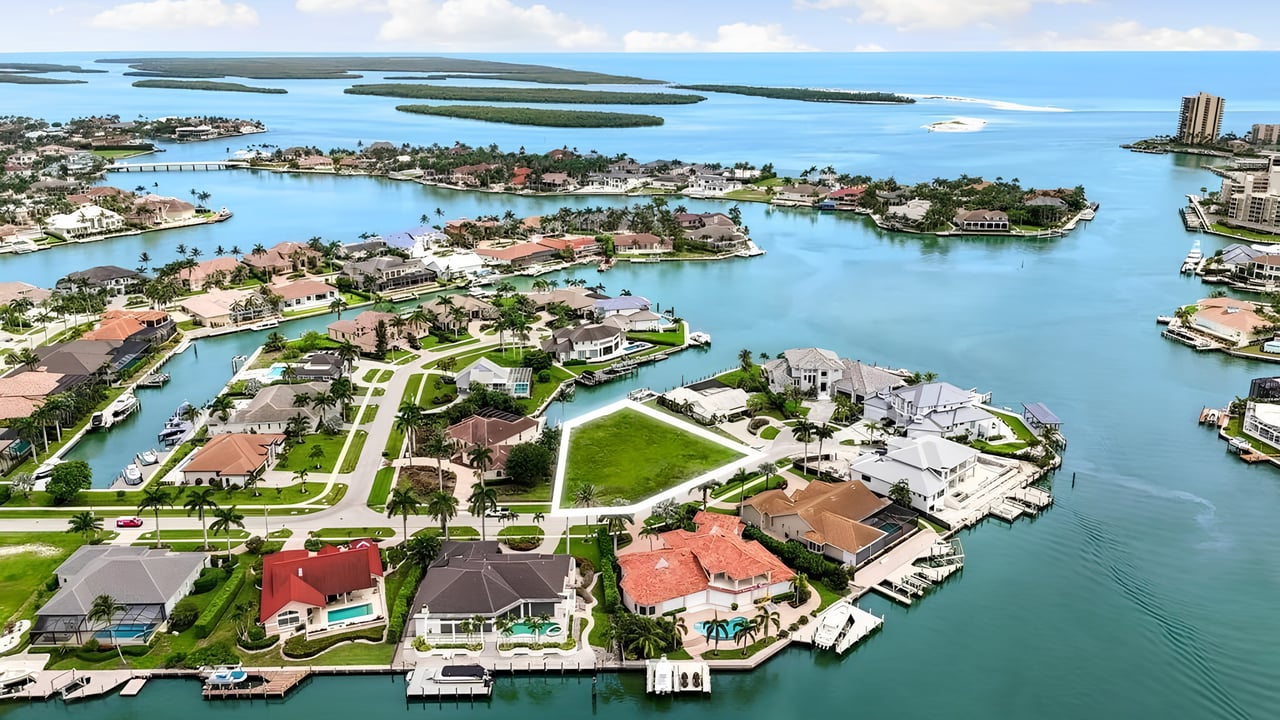
Marco Island is a beach and water market, and that shapes what buyers pay for. The City of Marco Island describes the city as having six miles of beach and more than 100 miles of waterways, so it makes sense that buyers often focus on beach access, boat access, pools, and building services.
That also means condo fees here are often about more than shared hallways and landscaping. In many communities, your regular fee may help pay for lifestyle features, utilities, security, and reserve funding that can have a real impact on your long-term costs.
Beach access is one of the biggest value drivers in Marco Island condos, but it is not always the same from one building to the next. Some properties include private beach access or beach rights as part of the association amenities.
Public listing examples show this clearly. A South Seas listing includes private beach access and says Beach Club is included, while a Cape Marco listing includes beach rights, beach access, and a private beach pavilion in the HOA amenities.
That is very different from membership at the Marco Island Civic Association Residents’ Beach. According to the MICA application for 2025-2026, that membership has a separate $200 application fee and is non-transferable.
For buyers, the key question is simple: is beach access included in the condo association, or is it a separate membership cost? Two condos near the beach may offer very different value depending on that answer.
If you want boating access, do not assume it comes with the unit. On Marco Island, marina and boat-slip access is often handled separately from the main condo fee.
For example, Anglers Cove notes that the property has 31 boat slips for lease, while a Riverside listing says boat slips are available for owners to lease at $400 annually. That means a waterfront or water-access lifestyle may involve an extra cost beyond the regular HOA payment.
This is especially important if boating is part of your reason for buying here. A condo can look ideal on paper, but the real monthly carrying cost changes if the slip is leased separately or has limited availability.
In higher-fee towers, buyers often see a broader service package. These buildings may include features like secure elevator access, card entry, security guards, or secured lobbies.
A Cape Marco Monterrey listing shows elevator secure, card entry, security guard, and lobby secured. The same listing also includes cable TV, internet, maintenance grounds, pest control, recreation facilities, reserve fund, sewer, security, trash, and water in the HOA structure.
For some buyers, that bundled approach is worth the higher fee because it can simplify ownership. For others, a simpler building with fewer included services may be a better fit.
A condo fee is not just an amenity fee. On Marco Island, public listing examples show that regular maintenance charges often include a mix of operating costs and shared services.
Common items shown in reviewed listing pages include:
This is why comparing fees without comparing inclusions can lead you in the wrong direction. A higher fee may actually cover several bills you would otherwise pay separately.
Public listing examples reviewed in the research show a very wide fee spread. The examples ranged from a $153 monthly fee at Gulfview to a $6,246 quarterly fee at Cape Marco, with South Seas at $11,560 annually and Anglers Cove at $8,560 annually.
Converted to monthly equivalents, that sample runs from about $153 per month to about $2,082 per month. That is not an island-wide average, just a snapshot from public listings, but it shows how dramatically fees can differ depending on the building and what is included.
A low condo fee may look appealing, especially if you are trying to manage monthly carrying costs. But on Marco Island, lower does not always mean better value.
If a building has fewer included services, limited amenities, or weaker reserve funding, you may face more out-of-pocket costs later. In some cases, a higher monthly fee can be easier to budget for than an unexpected special assessment.
The better comparison is fee plus inclusions, reserve strength, and extra charges outside the regular bill. That gives you a more realistic picture of ownership costs.
Some communities have separate application or approval costs. Cape Marco, for example, shows a $150 application fee in public listing information.
While that may not change your long-term monthly cost, it still affects your upfront budget. It can also signal a more formal approval process that you will want to understand early.
As noted above, some beach access options sit outside the condo association. MICA Residents’ Beach membership has its own separate fee structure, including a $200 application fee for the 2025-2026 application.
If beach use matters to you, be sure to confirm whether access is deeded, association-based, club-based, or separate from the condo entirely.
Boat access can be another add-on. The Riverside example shows boat slips leased for $400 annually, and Anglers Cove notes leased slips as well.
That may still be a great value if boating is part of your lifestyle, but it should be part of your budget planning from the start.
Florida law now places more attention on reserve funding for certain condominium buildings. Under state law, residential condominium buildings that are three habitable stories or higher must have a structural integrity reserve study at least every 10 years.
The statute also warns that waiving or underfunding reserves can lead to unanticipated special assessments. For buyers, that makes reserve review a key part of condo due diligence, especially in larger or taller buildings.
Florida law says special assessments must be described in written notice and used only for the specific purpose stated in that notice. The law also makes clear that assessments belong to the owner while they own the unit.
That is why pending or contingent assessment language matters so much when you are under contract. You want to know whether a major cost is already approved, being discussed, or likely to affect ownership soon after closing.
Florida law requires associations to keep key records available to unit owners and prospective purchasers. These records include the annual budget, financial report, and, if applicable, the most recent structural integrity reserve study and inspection reports.
Official records also include financial statements, reserve studies, inspection reports, bids, and contracts. In practical terms, that means you can look beyond the listing sheet and review the documents that show the fuller cost picture.
When you tour Marco Island condo communities, try to compare them the same way every time. That makes it much easier to spot the true differences between buildings.
Ask questions like these:
These questions can help you move past headline pricing and focus on the real ownership experience.
The best condo for you may not be the one with the lowest monthly fee. It may be the one where the amenities match your lifestyle, the inclusions reduce your extra bills, and the association documents show a more stable financial picture.
On Marco Island, that often means looking closely at beach access, boating options, building services, reserves, and any charges that sit outside the regular HOA payment. When you compare condos through that lens, you are more likely to make a decision that feels smart both now and later.
If you want help comparing Marco Island condo communities, amenities, and fee structures side by side, the Becky Irwin Group offers local, high-touch guidance to help you weigh lifestyle goals against the real cost of ownership.
August 27, 2026
August 20, 2026
August 13, 2026
August 6, 2026
August 6, 2026
Real Estate
July 24, 2026
July 23, 2026
July 16, 2026
Marco Island
July 10, 2026
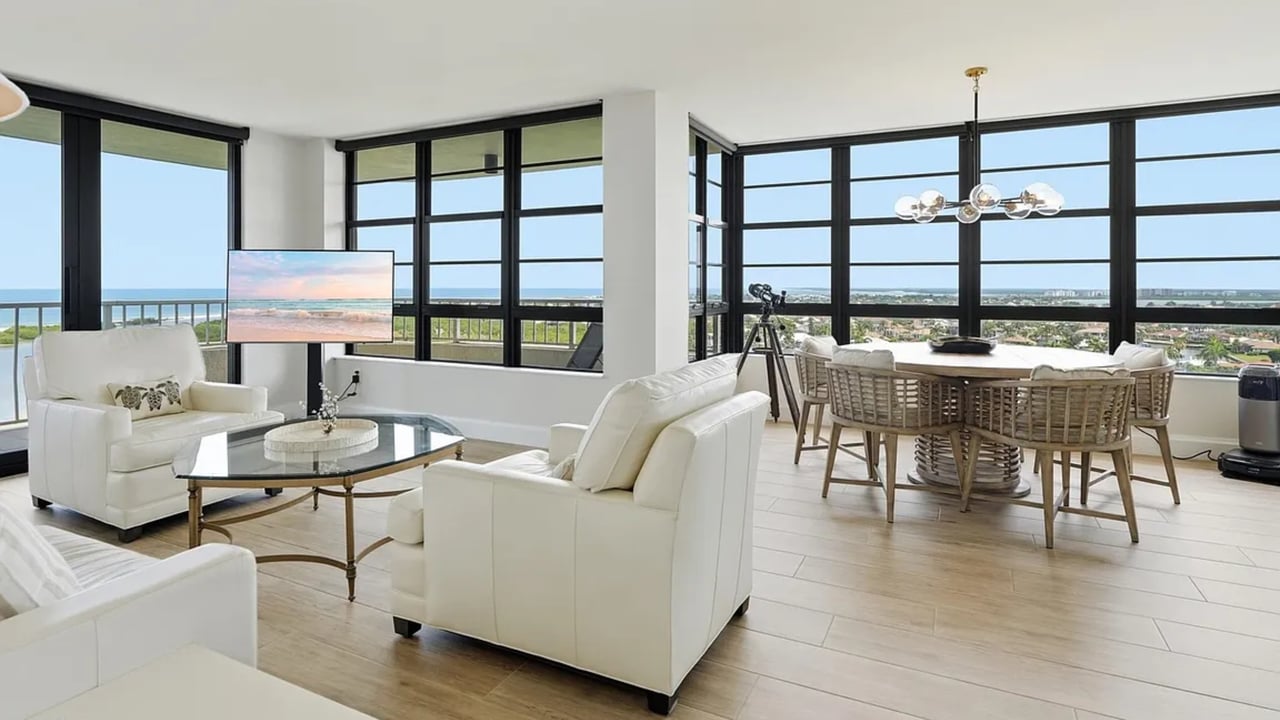
Rare 15th-floor corner unit in South Seas Tower 4, Marco Island. 2BR/2BA with Gulf views, resort amenities & weekly rental flexibility. $899,000. Tour today.
Explore unparalleled real estate expertise with a dedicated team committed to helping clients find their dream home. They are committed to client satisfaction and ensure a seamless and enjoyable real estate experience. Let them guide you through your home buying journey.

830 BALD EAGLE DR MARCO ISLAND FL 34145