Isles of Capri Vacation Rental Rules Buyers Should Know
May 14, 2026
May 14, 2026
Thinking about buying in Isles of Capri with plans to rent part of the year? That can be a smart strategy, but only if you understand the rules before you buy. In a seasonal coastal market like this one, vacation rental income depends as much on compliance as it does on demand. This guide will walk you through what counts as a vacation rental in Isles of Capri, what owners are expected to do, and what buyers should verify before making a move. Let’s dive in.
In Florida, a property generally falls into the vacation rental framework when it is rented to guests more than three times in a calendar year for periods of less than 30 consecutive days, or when it is regularly advertised for stays of less than 30 days. That definition comes from the state lodging rules and sets the baseline for owners considering short stays.
For Isles of Capri, the local overlay is Collier County because the community is in unincorporated Collier County. The county applies its short-term vacation rental registration rules to habitable space in residential buildings, including single-family homes, condos, and multi-family homes.
The county’s practical test is fairly simple. If the property is rented more than three times per year in stays of less than 30 consecutive days or less than one calendar month, registration is required. If the property is rented for at least 30 days or one month, or for three consecutive months to the same renters, county short-term registration is not required.
Vacation rental potential can influence how you value a property, especially in a waterfront community like Isles of Capri. But a home that looks ideal for seasonal income on paper may come with operating rules that change the numbers and the day-to-day workload.
That is why buyers should treat rental use as a due diligence item, not an assumption. Before you rely on projected income, you need to confirm the property’s local registration requirements, state licensing framework, tax setup, and any community-specific leasing limits.
If your Isles of Capri property will be used as a short-term vacation rental under the county’s rules, registration is expected before you begin operating. Owners create an account through the county portal and register the property before commencing rental activity.
Collier County also requires the county rental registration number to appear in all advertising. That includes online listings, social media, and sharing-economy platforms. If you plan to market the property, this is not an optional detail.
Owners are also expected to inform guests ahead of time about local rules covering noise, parking, and garbage. In practice, that means your guest communications need to be clear and organized before the first booking starts.
County registration is only one part of the setup. For short-term rentals, owners also need to work through the state lodging-license framework with the Florida Department of Business and Professional Regulation.
In Collier County, a local business tax receipt is also required for short-term rentals. The county states that the tax collector will not issue that business tax receipt until the property has procured the DBPR license. For many buyers, this is one of the most important sequencing issues to understand early.
Owning a vacation rental in Isles of Capri is not a set-it-and-forget-it arrangement. Collier County requires a designated responsible party who is reachable 24 hours a day, 7 days a week.
That responsible party must also be able to be onsite by the next day after being notified of a problem. If ownership changes or the responsible party changes, the county must be notified within 10 business days.
This requirement matters for out-of-area owners. If you live elsewhere and plan to rent the home seasonally, you should think carefully about who will handle issues promptly and consistently.
One local issue can surprise buyers of larger properties. In Collier County, guest houses may not be leased or rented.
That can be especially important if you are considering a waterfront home with accessory quarters or separate guest space. Before you count that area as part of a rental plan, make sure you understand how the county treats it.
Collier County levies a 5% tourist development tax on vacation-rental stays of six months or less. The county tax collector’s return form reflects a monthly filing cycle, so owners should expect recurring reporting and remittance work rather than a one-time setup.
For buyers comparing properties as potential income producers, this is part of the real operating picture. It affects cash flow planning, bookkeeping, and how hands-on the ownership experience may feel.
County and state rules are only part of the story. If you are buying a condo or a home within an association, the declaration, bylaws, and community rules may place additional limits on leasing, use, occupancy, or transfer.
Florida condo law allows these restrictions to be included in the declaration and enforced. The law also limits how later rental bans or rental-term changes apply, but that does not remove the need to review the governing documents closely before you buy.
This is especially relevant in Isles of Capri, where condo living is part of the local housing mix. In communities such as La Peninsula, buyers should carefully review the documents and current leasing rules instead of assuming a short-term rental plan will fit the community.
If you are considering rental income, it helps to set realistic expectations about seasonality. Paradise Coast’s paid accommodations data for Collier County, which includes both hotels and vacation rentals, showed 65.2% occupancy in January 2024 with a $392.57 average daily rate.
In March 2024, occupancy rose to 73.6% with a $527.25 average daily rate. By August 2024, occupancy dropped to 45.4% and the average daily rate fell to $232.20.
That pattern points to stronger winter and early spring demand, with softer late-summer performance. It does not mean a property cannot perform well, but it does mean you should view Isles of Capri as a seasonal, highly tracked destination market rather than a flat year-round rental market.
The local community mix supports that seasonal pattern. Isles of Capri has about 600 full-time residents and about 1,300 seasonal residents, according to the local community organization.
For buyers, that means rental demand may align well with seasonal ownership patterns, but your expectations should stay grounded. Income potential may look strongest during peak season, while slower months may require more conservative planning.
A smart approach is to underwrite for seasonality instead of assuming steady occupancy across the calendar. That creates a more realistic picture of ownership costs and expected returns.
If you are serious about buying a property in Isles of Capri for part-time use and vacation rental income, here are the key items to verify before closing:
This kind of upfront review can save you time, money, and frustration later. It also helps you compare properties more accurately when one home may be much easier to operate than another.
Isles of Capri can make sense for buyers who want a coastal property with personal enjoyment and seasonal rental potential. But the opportunity is rule-driven, and success depends on careful planning, not just a desirable location.
The safest path is to verify the property’s rental setup before you assume income projections. When you understand the county requirements, the state licensing framework, the tax obligations, and any community restrictions, you can make a more confident purchase decision.
If you want local guidance as you compare Isles of Capri properties for personal use, seasonal ownership, or rental potential, the Becky Irwin Group can help you evaluate the details with a clear, informed approach.
August 20, 2026
August 13, 2026
August 6, 2026
August 6, 2026

Real Estate
July 24, 2026
July 23, 2026
July 16, 2026
Marco Island
July 10, 2026
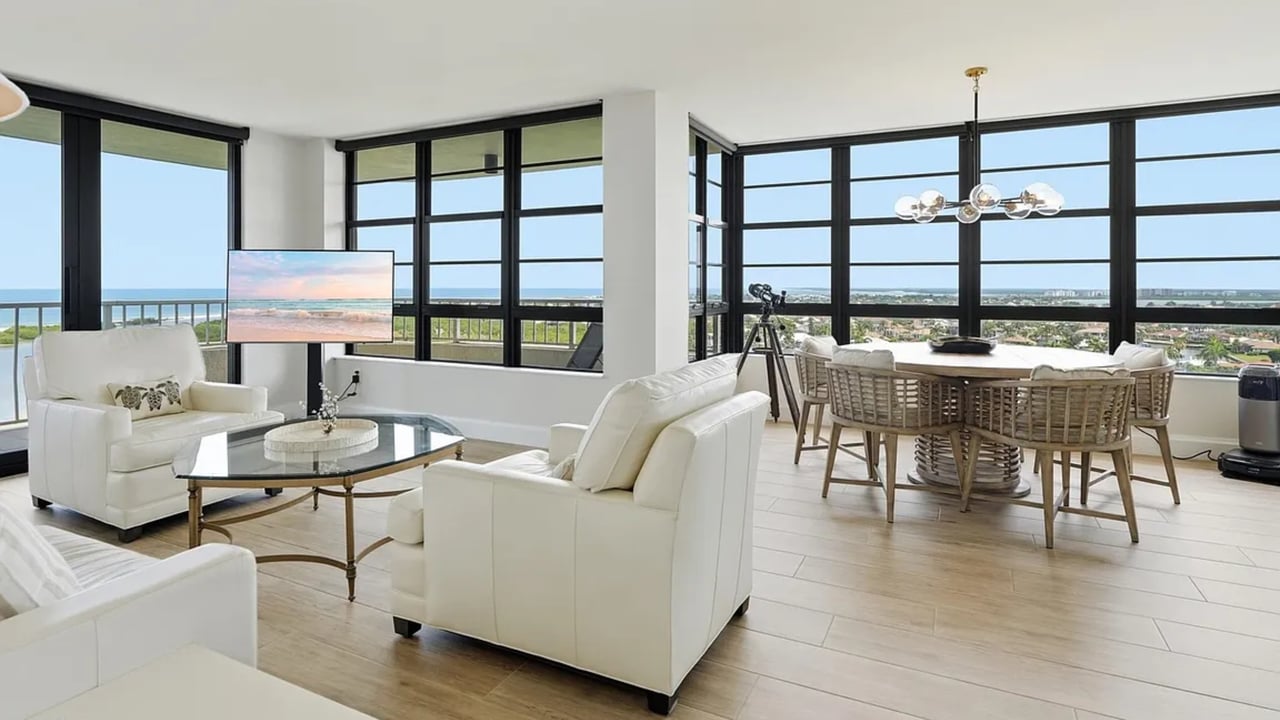
Rare 15th-floor corner unit in South Seas Tower 4, Marco Island. 2BR/2BA with Gulf views, resort amenities & weekly rental flexibility. $899,000. Tour today.
July 9, 2026
Explore unparalleled real estate expertise with a dedicated team committed to helping clients find their dream home. They are committed to client satisfaction and ensure a seamless and enjoyable real estate experience. Let them guide you through your home buying journey.

830 BALD EAGLE DR MARCO ISLAND FL 34145